
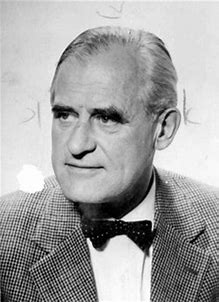
Odd Nansen died 46 years ago today, on June 27, 1973, age 71.
Each year on his death I like to draw from literature a description that I feel aptly describes some aspect of Nansen’s character (which I’ve done here, here and here).
Last year’s blog made a passing reference to Ernest Hemingway in my tribute to Odd Nansen, so perhaps it is only fitting that this year I draw from Hemingway’s third (of four) wives, Martha Gellhorn. Gellhorn was one of the first, and most widely read, female war correspondents of the Twentieth Century. She was the only woman to land at Normandy on D-Day, and among the first correspondents to report on the Dachau concentration camp following its liberation by American forces in April 1945.
Gellhorn was a prolific writer, but her greatest novel is A Stricken Field. Based on her own experiences in Prague, Czechoslovakia immediately before the war, A Stricken Field follows the experiences of one Mary Douglas, an American correspondent. We watch Douglas’ frustrating and ultimately futile efforts to help Prague’s refugees (much like Nansen tried to help Prague’s refugees, 1936—39) while she tries to report on a Czechoslovakia that has been callously abandoned by the western Allies as the price for “peace in our time.” Gellhorn quickly wrote her novel at the famous farm she and Hemingway shared in Cuba, Finca Vigia (“Lookout Farm”), and published the work in 1940.
In one of the final scenes of the book, Mary Douglas, in a funk over her bitter experience, nevertheless finds some reasons for hope:
“I’ve seen enough in the last five years, Mary thought, to make anyone despair. But disaster doesn’t harm the really good ones: they carry their goodness through, untouched, and nothing that happens can makes them cowardly or calculating. I’ve seen some fine people in these disaster years. I’ve seen one tonight. There’s that to remember too, when despair sets in.”
I’ve known, indirectly, one such person, who carried his goodness through, untouched, during the disaster years of World War II: Odd Nansen. His example is always worth remembering whenever despair sets in.


